

Sección 2 Tipos y estructuras del arroz
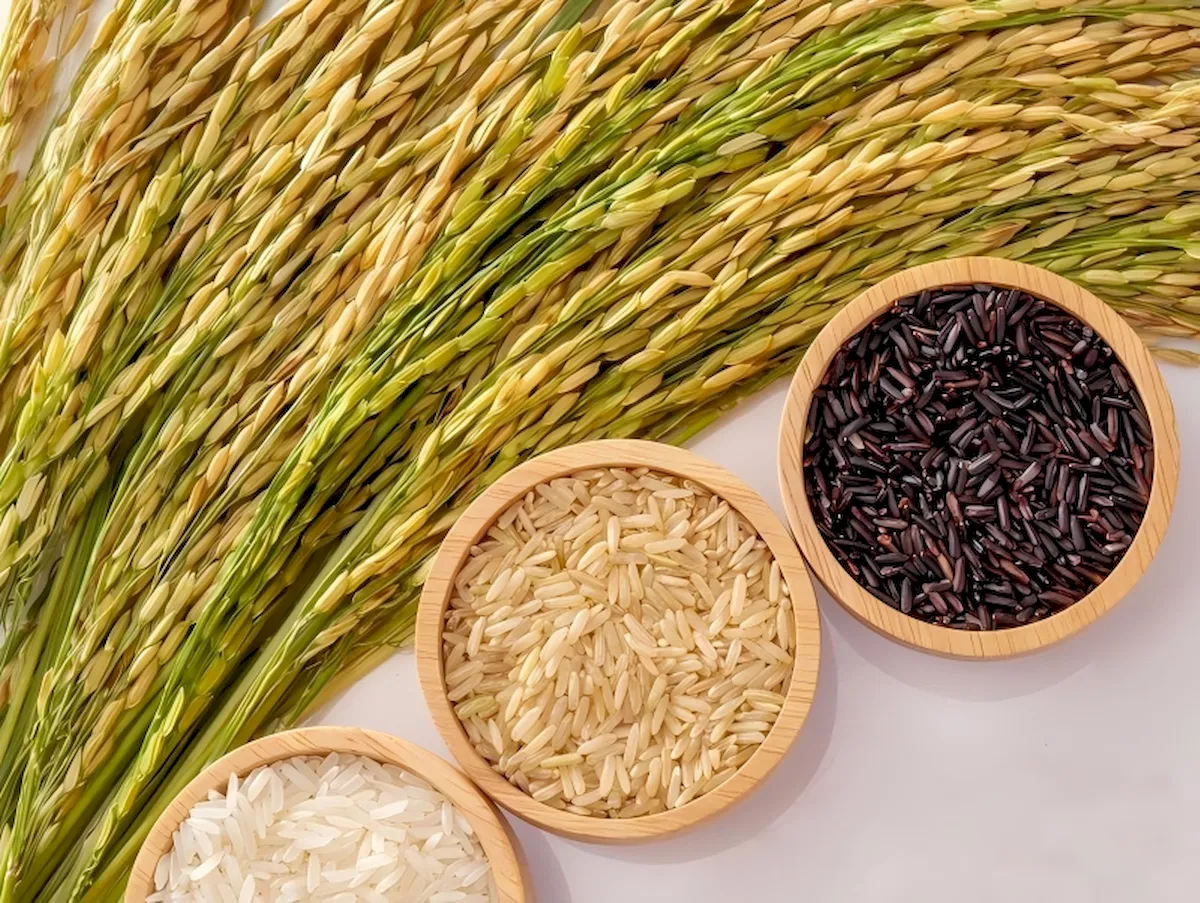
La historia del cultivo del arroz se remonta a 12000~16000 a.C. en Hunan (China). Tras su plantación generalizada en China, el arroz se extendió gradualmente hacia el oeste, a la India, y luego a Europa en la Edad Media. Hoy en día, salvo en la Antártida, el arroz se cultiva en todo el mundo y alimenta a la mitad de la población mundial, por lo que se ha convertido en el principal cultivo alimentario del planeta.
- Clasificación del arroz y sus características
En función de la forma y la calidad del grano, el arroz puede clasificarse en los tres tipos siguientes.
- Arroz índica
El arroz índica es resistente al calor y a la luz. Su grano suele ser delgado u ovalado, poco resistente y, por tanto, poco resistente a la presión. Como es probable que produzca arroz roto durante el procesado, su rendimiento arrocero es bajo. Cuando se hierve o se cuece al vapor, su viscosidad es pequeña pero su índice de expansión es grande.
- Arroz japónica
El arroz japónica es resistente al frío y a la luz débil. Su grano suele tener forma ovalada, con gran fuerza y buena resistencia a la presión. A diferencia del arroz índica, es poco probable que el arroz japónica se rompa durante el procesado, por lo que su rendimiento es mayor. Cuando se hierve o se cuece al vapor, su viscosidad es grande, pero su índice de expansión es pequeño.
- Arroz glutinoso
El grano de arroz glutinoso suele ser blanco lechoso, opaco o semitransparente. Y, al igual que el arroz japónica, cuando se hierve o se cuece al vapor, su viscosidad es grande pero su índice de expansión es pequeño.
Según la calidad del grano y la temporada de cosecha, el arroz también puede dividirse en arroz temprano y arroz tardío. Como su nombre indica, el arroz temprano tiene un periodo de crecimiento más corto y se cosecha pronto, mientras que el arroz tardío tiene un periodo de crecimiento relativamente más largo y se cosecha tarde. Además, el arroz temprano y el tardío tienen cualidades totalmente diferentes. El arroz temprano es mucho más suelto y tiene menos resistencia a la presión, por lo que es más probable que se rompa durante el procesado y su rendimiento es bajo. Lo contrario ocurre con el arroz tardío. Y para el mismo tipo de arroz, la calidad del arroz tardío es mejor que la del arroz temprano. Hervido o al vapor, el arroz tardío también destaca por su calidad comestible. Para distintos tipos de arroz, tomemos por ejemplo el arroz japónica temprano y el arroz índica tardío, este último sigue siendo superior al primero en términos de calidad.
- Estructura del grano de arroz
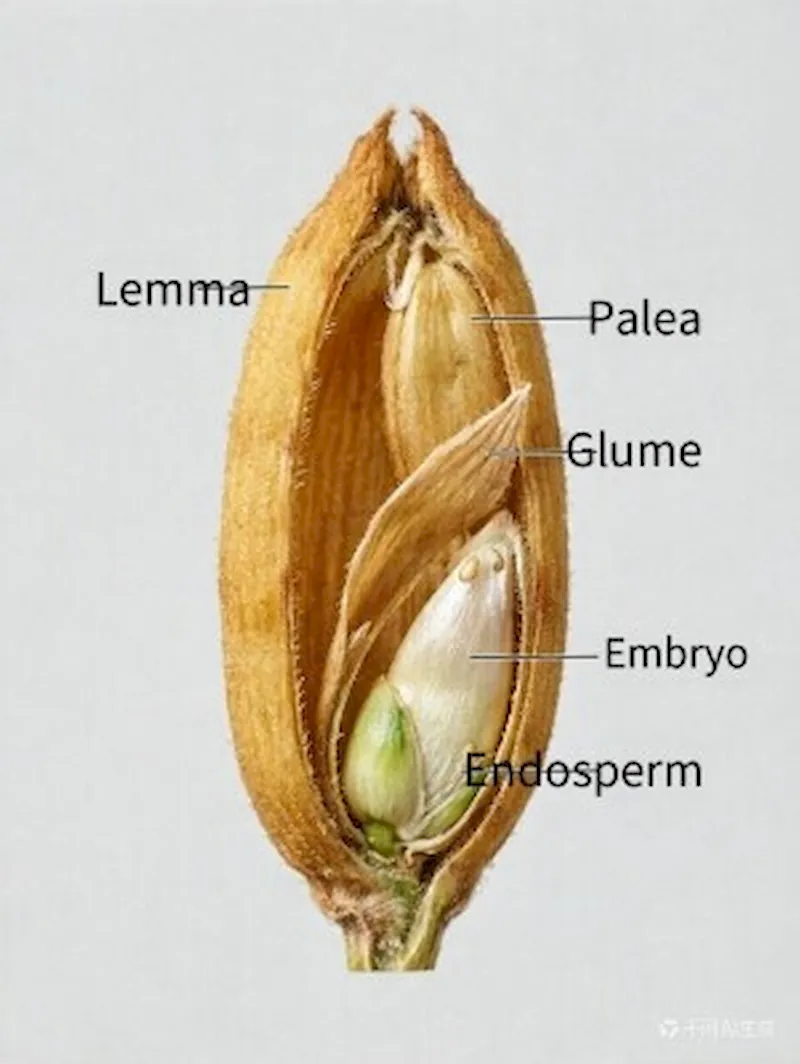
El grano de arroz se compone de dos partes: la gluma y la cariópside.
- Glume
La gluma del grano de arroz sirve principalmente para proteger la cariópside. Después de que los granos de arroz pasen por la descascarilladora de arroz, la gluma se caerá y la gluma caída se llama cascarilla. En general, el arroz maduro y gordo tiene una gluma fina y ligera. El arroz japónica tiene una gluma más fina y ligera que el arroz índica y se descascarilla más fácilmente. En el caso del arroz que no ha alcanzado la madurez, su gluma es más elástica y tenaz, por lo que es difícil de quitar.
- Cariópside/arroz descascarillado
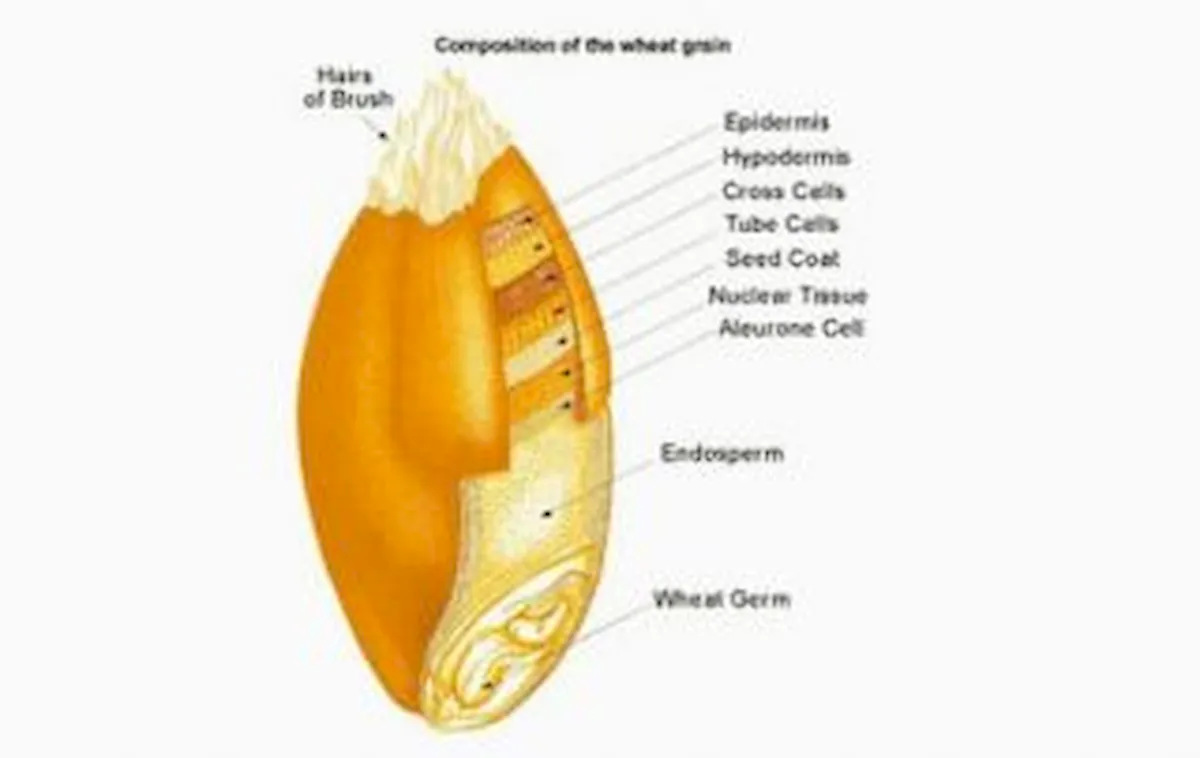
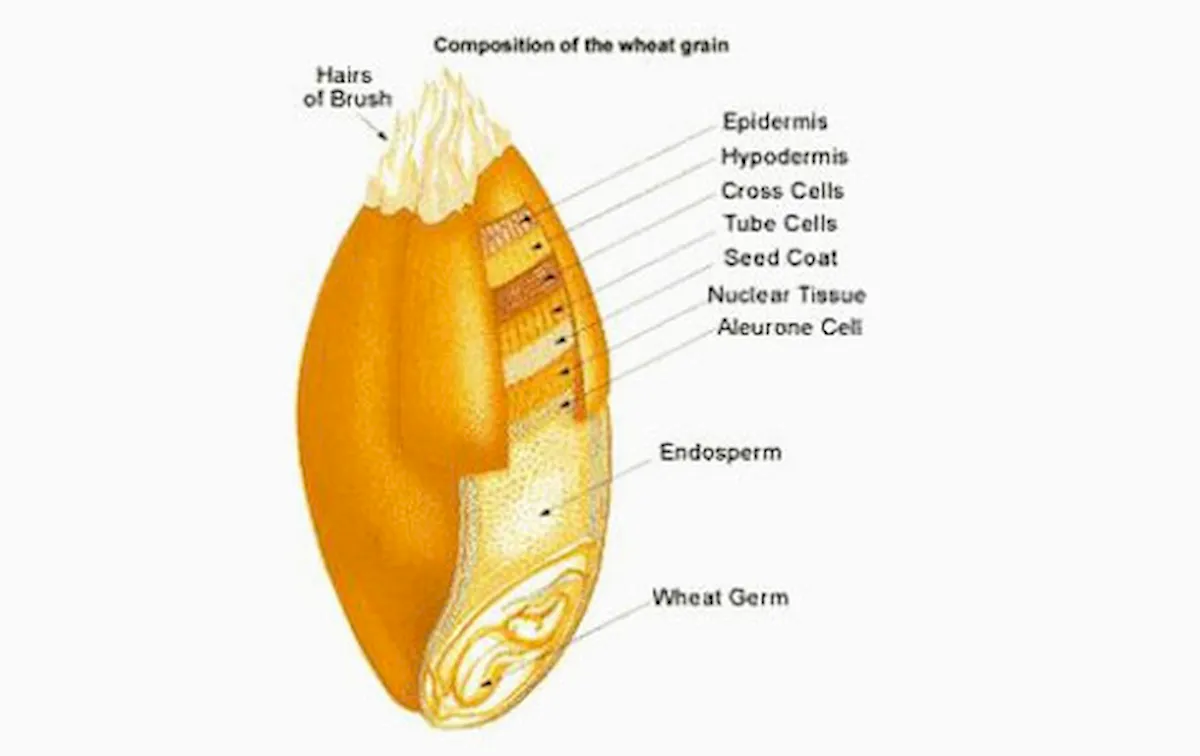
Una vez eliminada la gluma, queda la cariópside, también llamada arroz descascarillado. El arroz descascarillado consta de tres partes: salvado, endospermo y germen. Normalmente, durante la molienda del arroz, el salvado se elimina parcial o totalmente. El salvado de arroz ocupa aproximadamente entre 5,2% y 7,5% del grano de arroz entero en términos de masa.
- Endospermo
El endospermo es el componente principal y su masa ocupa hasta 70% de la masa total del grano de arroz entero. El endospermo está estrechamente envuelto en su interior por el salvado y compuesto por células de almidón. Si los gránulos de almidón están llenos de proteínas y no quedan huecos, la estructura del endospermo será compacta y dura. Y el grano de arroz será semitransparente y su sección transversal será lisa y plana. Este tipo de endospermo se denomina endospermo de cutina. Por el contrario, si hay huecos entre los gránulos de almidón dentro de las células, entonces la estructura del endospermo es incompacta y el grano de arroz es opaco con secciones gruesas y calcáreas. En este caso, el endospermo se denomina farináceo.
- Germen
El germen se encuentra en el bajo vientre del arroz descascarillado y contiene abundante ácido graso insaturado. El arroz con germen no es apto para el almacenamiento a largo plazo, ya que es fácil que se enmohezca y se ponga malo. Como el germen no está estrechamente unido al endospermo, puede desprenderse fácilmente durante el procesado.


 English
  Spanish
  Portuguese
  Russian
  French
  Arabic
  Hausa
Hausa